
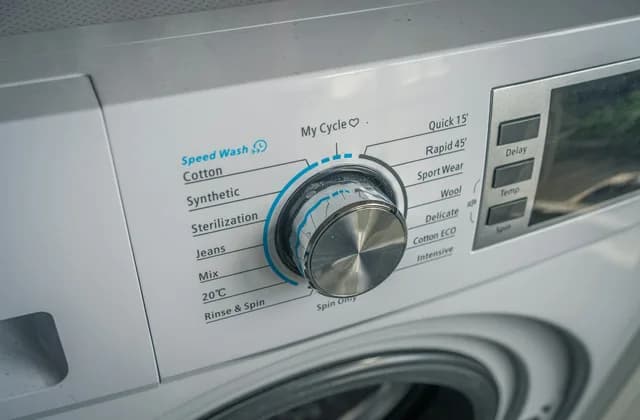
A washing machine that won’t spin, a fridge that has stopped cooling, a dishwasher sitting in its own water: appliance repair is rarely planned, and when you search for help you get a long list of names with little to tell them apart. A few checks, made in the right order, save you money and a wasted visit. Start with the warranty, then try the simple things yourself, then choose a technician carefully and agree the visit fee before anyone arrives.
This guide covers the United States and the United Kingdom. It explains what to check before you call anyone, how to read the common symptoms, how to choose a technician, what sets the price and how to decide between repair and replacement.
Before you book appliance repair: check the warranty first
Who should fix the appliance often depends on how old it is and what cover it has. Opening the machine, or letting someone else open it, can make a warranty claim harder, so this comes first.
In the United States
- Manufacturer’s warranty. Find the model and serial number, usually on a plate inside the door, behind the kick plate or on the back, and check the warranty terms. Covered faults go to the manufacturer’s service or an authorised servicer.
- Extended warranty or service plan. If you bought one from the retailer or a third party, read what it covers and how claims work: many plans send their own technician and do not pay for one you chose yourself.
- Credit card benefits. Some cards extend the manufacturer’s warranty on items bought with them. Check your card’s benefits guide before you pay for a repair.
- Home warranty. If you have one, appliance claims usually go through the plan’s own service network and a service fee.
In the United Kingdom
- The retailer, if the fault is early. Under the Consumer Rights Act 2015, goods must be of satisfactory quality and last a reasonable time. Your contract is with the shop, so a fault soon after purchase goes back to the retailer.
- The manufacturer’s guarantee sits on top of those rights. Register the appliance if the manufacturer asks you to, and keep the receipt.
- Extended warranties and appliance insurance work like the US service plans: check who repairs, what is excluded and whether there is an excess.
One UK and EU point works in your favour: ecodesign rules require manufacturers to keep spare parts for washing machines, dishwashers and fridges available for several years after a model is sold. A machine that is a few years old is not automatically beyond repair because the model has been discontinued.
Common appliance faults and what to check first
Many call-outs end with a technician clearing a filter. Before you book, unplug the appliance and try the safe checks below. If they do not help, you will at least be able to describe the fault clearly, which makes the visit quicker.
| Symptom | Likely cause | What to check first |
|---|---|---|
| Washing machine won’t spin | Unbalanced load, blocked drain filter, worn drive belt or motor fault. | Redistribute the load, clean the drain filter, run a spin-only cycle. |
| Washing machine or dishwasher won’t drain | Blocked filter, kinked or blocked drain hose, failed drain pump. | Clean the filter, check the hose for kinks, check the sink trap or standpipe it drains into. |
| Leaking | Damaged door seal, loose hose connection, overdosing detergent, cracked tub. | Inspect the door seal for tears or debris, tighten the hose connections, check the machine is level. |
| Fridge not cooling | Dusty condenser coils, blocked vents, faulty door seal, failed fan or thermostat. | Clean the coils at the back or bottom, clear the vents inside, check the door seal closes evenly. |
| Loud noise or banging | Machine not level, coins or debris in the drum or pump, worn bearings. | Level the feet, check the drum and filter for objects, note when in the cycle the noise starts. |
If water is coming from the supply pipe, the waste pipe or the wall rather than from the machine, the problem may be the plumbing, not the appliance. For that, see how to hire a plumber.
How to choose an appliance repair technician
Search results for “appliance repair near me” mix manufacturers’ service networks, local independent technicians, shops and booking sites that pass jobs on. Whichever you call, the same questions tell you a lot:
- Do they work on your appliance? Give the type, make and model number. Some technicians specialise in laundry, others in refrigeration, and refrigerant work on sealed systems needs specific training.
- Who will come? A booking site may send a subcontractor. Ask for the name of the business doing the work and how to contact it afterwards.
- The visit fee, in writing. What the call-out or diagnosis costs, whether it is credited if you approve the repair and what you pay if the fault cannot be fixed.
- Parts. Whether they use original or compatible parts, whether they carry common parts and how long ordering takes.
- A guarantee on the repair. How long parts and labour are guaranteed, and that it is written on the invoice.
- Insurance and licences. Ask about liability insurance. In the US, licensing rules for appliance repair vary by state and city, so check with your local consumer protection office. Gas work needs a qualified person in both countries: a Gas Safe registered engineer in the UK, and whatever licence your local rules require in the US.
Reviews help most when they describe the same kind of fault on the same kind of appliance. Be wary of anyone who quotes a repair price over the phone without knowing the fault, asks for full payment before diagnosis, or pushes you to replace the machine on the first visit without explaining why.
Post a free job on Hirovo: the appliance, make and model, the symptom and when you are home. People nearby who do this work can apply or message you, and you choose who to hire.
Post a free job →What sets the cost of appliance repair
A figure from another household’s repair tells you little about yours. The bill depends on:
- The call-out and diagnosis, and whether it is credited against the repair.
- The part: a filter or door seal is very different from a motor, control board or compressor, and original parts usually cost more than compatible ones.
- Labour time and access: a built-in or integrated appliance takes longer to pull out and refit.
- The type of appliance: sealed refrigeration systems and gas appliances need specialist skills.
- A second visit if a part has to be ordered.
- Timing: same-day, evening and weekend visits often cost more.
- Distance from the technician’s base.
Repair or replace?
There is no single answer, but the same factors decide it for washing machines, dryers, dishwashers and fridges:
- Age. A machine early in its life with one failed part is usually worth fixing; one that has needed several repairs may not be.
- Repair cost against a new model. The commonly cited 50 percent rule says that if the repair would cost around half the price of a comparable new appliance, replacement is worth considering. It is a rule of thumb, not a verdict.
- Energy and water use. An older fridge or dryer may cost noticeably more to run than a current efficient model. Compare the energy labels.
- Parts availability. Ask the technician whether the part is still made and how long it would take to arrive.
- The extra costs of replacing: delivery, installation, removing the old unit and, for built-in appliances, whether a new model fits the space.
A good technician will tell you when a repair is not worth it. Ask for the diagnosis and the estimate in writing before you decide.
The visit: from diagnosis to invoice
- Prepare. Have the model and serial numbers ready, clear access to the appliance and keep towels nearby for washing machines and dishwashers.
- Diagnosis and estimate. Ask what is wrong, which part is needed and what the repair will cost before work starts.
- Old parts. You can ask to see the part that was replaced.
- Test before they leave. Run a short cycle or check the fridge is starting to cool while the technician is still there.
- Invoice and guarantee. Get an itemised invoice with the business name, the parts fitted and the guarantee period. Keep it with the appliance’s paperwork.
Finding appliance repair help through a Hirovo post
Hirovo is a job and service marketplace, and posting is free. Your post appears in the listings for your country and region, such as the jobs in the United States or the jobs in the United Kingdom, where people nearby who do this kind of work can see it, apply or message you. You read the replies and decide. Hirovo does not vet applicants or check licences or insurance, so the checks in this guide are yours to make.
It fits planned work and repeat needs: a machine that has been playing up, a regular service, or a landlord with several properties to look after. It is the wrong tool for an emergency. In the post, give the appliance, make and model, the symptom, what you have already tried and your neighbourhood rather than your full address. For the wording, see how to write a job post.
Safety first. Unplug an appliance before any check, and turn off the water supply to a leaking machine. If you smell gas, do not touch switches, leave the property and call the gas emergency line or your utility. If water is flooding your home, shut off the main stopcock or valve and call a local plumber or emergency service at once; a post is for planned work, not emergencies.
In short
Check the warranty before anyone opens the machine, and in the UK take an early fault back to the retailer. Try the safe checks: filter, level, door seal, coils. Choose a technician who works on your appliance, agree the visit fee and whether it is credited, and ask for a written guarantee. Decide between repair and replacement on age, cost against a new model, energy use and parts availability, with the 50 percent rule as a guide only. Leave gas appliances to a qualified engineer.