
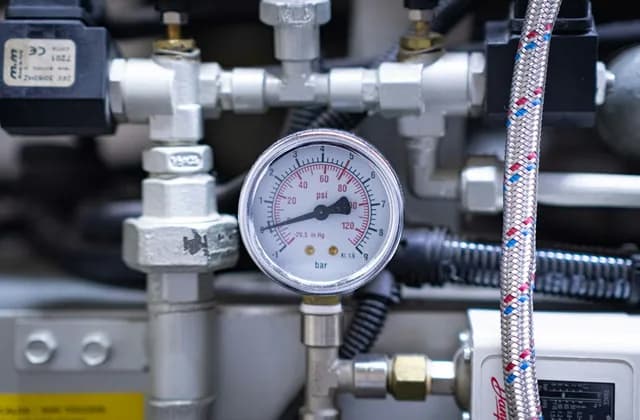
A boiler service in the UK, or a furnace tune-up in the US, is the yearly check that keeps your heating safe and your warranty valid. Many people only think about it in autumn, when the first cold night shows that something is not right, or when a landlord or a manufacturer asks for paperwork. Plenty of companies offer it, and the visits are not all the same.
This guide covers both countries. It explains what a proper service includes, the warning signs that mean you should not wait, how to check a Gas Safe engineer in the UK or a licensed HVAC contractor in the US, what sets boiler service cost, and what the visit should look like from booking to the written report.
Boiler or furnace: the same job in two countries
In the UK, most homes are heated by a gas boiler that heats water for the radiators and often for the taps too. In the US, many homes use a forced-air furnace that burns gas or oil and blows warm air through ducts. The names differ, but the job is similar. A trained engineer or technician checks that the appliance burns fuel cleanly, vents its fumes safely outside and has working safety devices.
An annual service is the common recommendation in both countries, and manufacturers’ warranties often require it. In the US, the usual time is before the heating season starts. Read your warranty documents and the appliance manual. They say how often servicing is expected and what proof you need to keep. Keep every invoice and report in one place.
What a boiler service or furnace tune-up includes
A real service is more than a quick look and a sticker. The exact list depends on the appliance and the manufacturer’s instructions, but you should expect the main checks below. Ask for a written report that records what was checked and what was found.
| Check | What the engineer does | Why it matters |
|---|---|---|
| Visual inspection | Looks over the appliance, pipework, casing and seals for leaks, corrosion and damage. | Catches problems before they turn into breakdowns. |
| Burner and heat exchanger | Inspects and, where needed, cleans the burner; checks the heat exchanger for cracks or blockage. | A damaged heat exchanger can let fumes escape. |
| Flue and venting | Checks that the flue or vent pipe is intact, clear and ends safely outside. | Fumes, including carbon monoxide, must leave the home. |
| Combustion analysis | Measures the flue gases with an analyser. | Shows whether the fuel is burning safely and efficiently. |
| Pressure and controls | Checks system pressure on boilers, gas pressure, the thermostat and controls. | Wrong pressure causes lockouts and weak heating. |
| Safety devices | Tests flame sensing, cut-outs and other automatic shut-offs. | These stop the appliance when something goes wrong. |
| Air filter (furnace) | Checks the filter and replaces or cleans it. | A clogged filter strains the furnace and cuts airflow. |
If the engineer finishes in a few minutes and leaves without testing anything, it was not a service. If they find a fault, ask them to write it down, explain how urgent it is, and quote the repair separately so you can decide.
Warning signs: when not to wait for the annual service
Some symptoms point to unsafe burning or a venting problem. Do not leave them until the next booked visit:
- A yellow, orange or lazy, floppy flame instead of a crisp blue one.
- Soot or dark staining on or around the appliance.
- A pilot light that keeps going out.
- Headaches, dizziness or nausea at home that ease when you go outside.
- Boiler pressure that keeps dropping, repeated lockouts or new, loud noises.
Install carbon monoxide alarms, test them regularly and replace them when they reach the end of their life. Carbon monoxide has no colour or smell, so an alarm is your only reliable warning. Check your local rules on where alarms are required.
If you smell gas: leave the property, do not use light switches or anything that could make a spark, and do not use naked flames. From outside, call the gas emergency number in the UK (0800 111 999). In the US, call 911 or your gas utility’s emergency line.
UK: hiring a Gas Safe registered engineer
In the UK, anyone working on gas appliances must be on the Gas Safe Register. This is a legal requirement, not an optional badge. Look the engineer up on the register before the visit, and ask to see their Gas Safe ID card when they arrive. Make sure the person on the card is the person in your home, and that they are registered for the type of appliance you have.
If your boiler runs on oil or electricity, Gas Safe registration does not cover that work. Ask what qualification the engineer holds for your system, and follow the manufacturer’s guidance on who may service it.
Landlords: the gas safety check is not a service
Landlords have a separate duty under the Gas Safety (Installation and Use) Regulations 1998: an annual gas safety check by a Gas Safe engineer, recorded on a Landlord Gas Safety Record. The safety check confirms that the gas appliances are safe to use. A service goes further and keeps the boiler in good working order for the manufacturer. Many engineers can do both in one visit, but they are different jobs, so ask for both by name and check which documents you will receive.
US: hiring a licensed HVAC contractor
In the US, HVAC contractor licensing varies by state, and sometimes by city or county. Check your state licensing board to see which licence covers furnace work where you live, then look up the contractor’s licence number. Ask about insurance as well, and ask for proof rather than a verbal yes.
Book the tune-up before the heating season, when you still have time to fix anything the technician finds. If you have an oil furnace, ask whether the visit follows the manufacturer’s service steps for oil equipment. Ask which filter size your system uses, so you can keep spares and change them between visits. If you are also weighing a bigger job, such as a replacement furnace or new air conditioning, read our guide on how to hire an HVAC contractor.
Posting a job on Hirovo is free. Say whether it is a boiler or a furnace, gas or oil, its age if you know it, any error codes, and your area. Heating engineers nearby can apply or message you in the app. You compare them and decide.
Post a free job →Boiler service cost: what sets the price
A figure from a website cannot price your visit. Two companies can quote very differently for the same boiler, depending on what each one includes. These items move the number:
- Appliance type: gas or oil boiler, combi or system boiler, gas or oil furnace.
- Age and condition: older appliances often need more cleaning, and their parts can be harder to find.
- Parts: seals, gaskets, igniters, sensors and filters are usually charged on top.
- Access: a loft, attic, crawl space or cramped cupboard takes longer.
- Call-out and timing: emergency, evening and weekend visits, and the first cold weeks of the year.
- Service plan or one-off: a yearly plan is priced differently from a single visit.
- Region and travel: where you live and how far the engineer has to come.
- Combined jobs: a service plus a landlord safety check, or more than one appliance.
Service plan or one-off visit
Some companies sell yearly plans that bundle the service with repairs, priority booking or discounts on parts. Read what is covered, what is excluded, whether there is a minimum term and how cancellation works. Compare the plan with booking one service a year and paying for repairs only when needed. A plan is good value only if you would actually use what it includes.
Whichever you choose, ask for a written quote that says what the service includes, whether parts are extra, and how call-outs and repairs are charged.
The visit: from booking to the written report
- Booking: give the appliance type, its age, any error codes or symptoms, and access details such as parking and where the appliance sits.
- Before arrival: check the Gas Safe register in the UK, or the contractor’s state licence and insurance in the US.
- On the day: clear space around the appliance and ask the engineer which checks they will carry out.
- Extra work: if a repair is needed, ask for the price before any additional work starts.
- Afterwards: get a written report and an invoice showing the date, the appliance and the work done. Keep both for your warranty and note when the next service is due.
Questions to ask before you book
- Are you on the Gas Safe Register for this appliance (UK), or licensed for furnace work in this state (US)?
- What exactly does your service include, and do you run a combustion analysis?
- Will I get a written report at the end?
- Are parts, filters and call-out charged separately?
- Do you follow the manufacturer’s service instructions for my model?
- Can I see proof of insurance?
- What happens if you find a fault: will you quote before repairing?
- For landlords: can you do the gas safety check and the service in one visit, with both documents?
Using a free Hirovo job post
Posting a job on Hirovo is free. Describe the appliance, the symptoms and your area, and heating engineers or HVAC technicians nearby can apply or message you. Hirovo is a global platform and the number of engineers registered in the US and UK is still small, so use it alongside other ways of finding local help. Hirovo does not verify registrations, licences or insurance and is not a party to the work, so run the checks above on anyone who responds.
In short
Book a boiler service or furnace tune-up once a year, before the cold sets in. Check Gas Safe registration in the UK or the state licence and insurance in the US. Expect real checks, including the flue and combustion, and a written report. Fit carbon monoxide alarms, act on warning signs straight away, get a written quote that lists parts and call-outs, and keep every invoice for your warranty.