
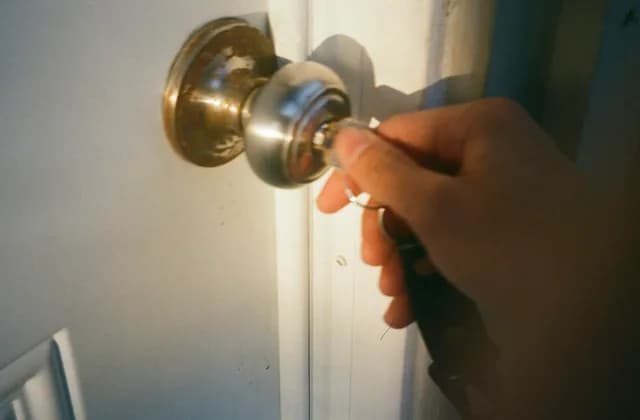
Most people look for a locksmith at the worst possible moment: standing outside a locked door, late, with a phone and a search bar. That is exactly when scammers find their customers. Knowing how to choose a locksmith before you need one, and having a short checklist for when you do, is what keeps a lockout from turning into a damaged door and a bill several times the quote.
This guide covers the United States and the United Kingdom, which check locksmiths in different ways. It starts with what to try when you are locked out, then how to check a locksmith in each country, what sets the price, the scams to recognise and what a good job looks like from start to finish.
Locked out? What to try before you call a locksmith
A locksmith is often the right call, but not always the first one. Safety comes first: if a child, a vulnerable person or someone unwell is inside, or you feel unsafe where you are, call the emergency services. If not, a few minutes of thinking can save a call-out.
| Situation | Try first | Then |
|---|---|---|
| Locked out of your own home | A partner, relative or neighbour with a spare key. Your home insurance or home emergency cover, which may include lockouts. | A local locksmith, with the total price agreed on the phone. |
| Locked out of a rented home | Your landlord, letting agent or property manager; many keep a spare. | A locksmith, after checking with the landlord who pays and whether locks may be changed. |
| Locked out of a flat or apartment building | The building manager, concierge or managing agent for the main door. | A locksmith for your own front door. |
| Keys locked in the car or lost car keys | Any roadside assistance membership or breakdown cover you have; a spare key at home. | An auto locksmith, or the vehicle dealer for some keys. |
| Lost keys, not locked out | Nothing urgent if the door is secure; book a visit at a time that suits you. | Rekey or replace the locks, especially if the keys could be linked to your address. |
Do not climb in through an upstairs window or force a door yourself. The repair often costs more than a locksmith would have, and a forced door is a security problem for the rest of the night.
How to choose a locksmith in the United States
In the US, locksmith rules are set by each state, and they differ. Only some states license locksmiths. So the first step is to find out whether yours does.
If your state licenses locksmiths
Ask for the licence number before the locksmith sets off, and check it yourself with the state agency that issues it, not through a link the caller sends you. Make sure the name on the licence matches the business that will turn up. A locksmith who cannot or will not give a number in a licensing state is not someone to let near your locks.
If your state does not
Without a licence to check, rely on signs that are hard to fake:
- A real local address. Look it up on a map. An address that turns out to be a mailbox, an empty lot or another business is a warning.
- A consistent business name on the phone, the website, the vehicle and the invoice.
- Identification on arrival, and a business card or marked vehicle.
- Reviews that name the actual business, written over time, rather than a burst of short ones for a generic “locksmith service”.
For a lock change after moving in, you will often hear the word rekey: the locksmith changes the pins inside the existing lock so old keys stop working, and the hardware stays. Replacement makes more sense when the lock is worn or of poor quality.
How to choose a locksmith in the United Kingdom
The UK has no licensing for locksmiths. Anyone can call themselves one, so the checks are yours to make.
- The Master Locksmiths Association (MLA). The MLA’s approved list is the usual check. Search for the business on the MLA’s own website rather than trusting a logo on a van or a web page.
- A local presence. A named business with an address you can verify, not a number that could be answered anywhere in the country.
- Your insurer’s lock requirement. Many home insurance policies set a standard for external door locks, and BS 3621 is the one you will often see. Check the wording in your policy and tell the locksmith before any lock is replaced.
- A quote before work, a receipt after. The receipt should carry the business name and address and list what was done and fitted.
Post a free job on Hirovo: the area, what you need (rekeying, new locks, extra locks) and when. People nearby who do this work can apply or message you, and you choose and check who to hire.
Post a free job →What sets a locksmith’s price
Prices you read online belong to somebody else’s door. Your bill depends on:
- The call-out charge, which many locksmiths charge simply for coming out.
- Labour, and whether it is charged per job or by time.
- Parts: a new cylinder, lock or extra keys.
- The time: nights, weekends and public holidays usually carry a surcharge.
- The lock and the door: high-security locks, uPVC doors with multipoint mechanisms and safes take more skill.
- Whether the door can be opened without damage, which keeps the bill down and avoids buying a new lock.
- Distance, especially late at night.
On the phone, ask for the total: call-out, labour, parts and any late surcharge. Ask what would make it change. Write down the figure and the business name, and if the price on site is different, you can say no before work starts.
Locksmith scams and how to spot them
The most common locksmith scam is not a single dishonest person but a business model. A search ad or listing promises a “local” locksmith; the number actually reaches a national call centre that passes the job to whoever is free. The quote on the phone is low, and the bill on site is not.
Walk away, or refuse the work, if you see these signs:
- The phone is answered with a generic phrase like “locksmith service” and no business name.
- You are given only a call-out fee, with everything else “depending on the lock”.
- The arriving locksmith says the lock must be drilled straight away, without trying to open it non-destructively. Most standard lockouts can be opened without damage by a skilled locksmith.
- The price rises once the work has started, or new charges appear on the invoice.
- You are asked to pay cash only, or there is no written receipt.
- No one asks for proof that you live at the address.
Paying by card gives you a record and, depending on your card, a way to dispute a charge. If you feel overcharged or misled, in the US report it to your state attorney general’s consumer protection office; in the UK, contact Citizens Advice, which can pass the case to Trading Standards.
A good locksmith visit, from call to receipt
- The call. Business name, local address, total price and an arrival window. In a licensing US state, the licence number.
- Arrival. Identification, a business card or marked vehicle, and a check that you live there: an ID with the address, a utility bill or a tenancy agreement.
- Before work. The quote is confirmed in writing, and any change is explained before anything is drilled or replaced.
- The work. Non-destructive entry first; if a lock is replaced, one that meets your insurer’s requirement.
- Payment. By card, with a receipt listing the work, the parts and the business details. Test the new keys in every lock before the locksmith leaves.
When a Hirovo post fits
An emergency lockout needs a local locksmith now. Hirovo fits planned work: changing locks after a move, fitting extra locks, rekeying between tenants, or regular jobs for a property you manage. Posting is free and your post appears in the listings for your country, such as the jobs in the United States or the jobs in the United Kingdom, where people nearby who do this work can apply or message you.
Hirovo does not vet applicants or check licences, and outside Turkey the number of providers is still growing, so the checks in this guide remain yours. In the post, give the area rather than your street address, and never say when the home will be empty; share the address by message once you have chosen someone. The same checks apply to other trades you call to your home, as in how to hire a plumber.
Five checks before any locksmith touches your door: a business name and a local address you can verify; a licence number if your US state requires one, or the MLA list in the UK; the total price on the phone, including call-out, parts and late surcharge; non-destructive entry tried before drilling; and payment by card with a written receipt.
In short
When you are locked out, try spare keys, your landlord or building manager and your insurance cover first, and call the emergency services if anyone is at risk. To choose a locksmith, check the business behind the phone number: a licence where your US state requires one, the MLA list in the UK, and a real local address everywhere. Agree the total price before they set off, expect them to ask for proof that you live there, and pay by card with a receipt. For planned lock changes, take your time and compare people properly.