
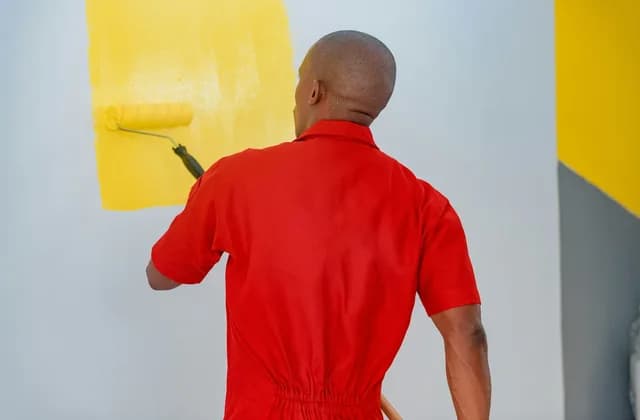
A good paint job looks simple, which is why it is so easy to hire the wrong person for it. Two painters can use the same paint on the same wall and get completely different results a year later: one wall still looks new, the other is bubbling, flaking and showing the cracks through the paint. The difference is almost never the brush. It is the preparation, the choice of primer, the weather on the day, and whether anyone asked why the wall was peeling in the first place.
This guide covers how to hire a painter in South Africa: sizing the job, preparation, damp and cracks, the season for exterior work, asbestos and heights, body corporate rules, the written quote, paying fairly, red flags and checking the finished work.
Size the painting job before you hire a painter
“Painting” covers very different jobs. Knowing which one you have helps you describe it clearly and compare quotes fairly.
| Job | What it usually involves | What to ask |
|---|---|---|
| Interior refresh | Washing, filling small cracks and nail holes, sanding, one or two coats on walls and ceilings. | Ceilings, cornices, doors and skirtings included? How many coats? |
| New plaster or a new room | Waiting for the plaster to cure, a plaster primer or sealer, then the finishing coats. | Which primer, and how long will they wait before painting? |
| Exterior walls | High-pressure washing, scraping loose paint, crack repair, primer on bare spots, two finishing coats. | How will they reach high walls? What happens on rain days? |
| Damp or peeling walls | Finding the cause first, then removing damaged paint and salts and using a suitable system. | What causes the damp, and who fixes the cause? |
| Wooden doors, window frames, fascias | Sanding back, filling, priming bare timber, then enamel, varnish or a wood sealer. | Water-based or solvent-based? Will they strip old varnish? |
| Burglar bars, gates, steel | Removing rust, a metal primer, then enamel. | How will rust be treated before painting? |
Preparation is the job: what a good painter does first
Most paint failures in South African homes start with preparation that was rushed or skipped. When you compare quotes, the preparation is where cheap quotes save time, and where you pay later. A careful painter will describe steps like these:
- Washing the walls to remove dust, grease and, outside, algae and chalky old paint. Paint does not stick well to dirt.
- Scraping and sanding loose and flaking paint until what remains is firmly attached.
- Filling cracks and holes with a suitable filler, then sanding flush so the repair does not show through.
- Priming bare surfaces: bare plaster, bare timber and bare metal each need their own primer or sealer.
- Masking and protecting floors, furniture, windows, light fittings and plants.
- Checking the weather and the surface: not painting outside on a wet wall, in rain or in strong wind.
Cracks: cosmetic or a warning sign?
Fine hairline cracks in plaster are common and a painter can fill them. Cracks that keep coming back, get wider over time, run diagonally from the corners of windows and doors, or appear alongside doors that suddenly stick can point to movement in the structure. Parts of the country, including areas of Gauteng, have clay soils that swell and shrink with the seasons, and that movement shows up in walls. Painting over a structural crack hides it for a few months. If you see those signs, ask a builder, or an engineer for anything serious, before the painter starts.
Damp: fix the cause, then paint
Bubbling paint, white powdery salts on the wall (efflorescence), a tide mark near the floor or black mould in a corner all mean water is getting in. Common causes are rising damp where the damp-proof course has failed or been bridged by a raised flower bed or paving, leaking gutters and downpipes, cracked parapet walls and flat roofs, a leaking pipe inside the wall, and bathrooms without enough ventilation. A painter can remove the damaged paint and salts and use a suitable coating, but if the water keeps coming, no paint will hold. Ask the painter what they think the cause is, and fix the leak, gutter or roof first.
The right season for exterior painting in South Africa
Paint needs a dry surface and dry hours to cure, and South Africa’s weather differs a lot between regions. Plan exterior work around your local pattern and make sure the quote allows for it:
- Gauteng and the Highveld get most of their rain as summer afternoon thunderstorms. Painters often start early and stop before the storms, and a week can lose days to rain. Winter is dry, but cold mornings and frost mean waiting for walls to warm up.
- The Western Cape gets most of its rain in winter, so summer is the usual exterior season, but the strong south-easter wind blows dust onto wet paint and makes spraying messy.
- KwaZulu-Natal and the coast, including Durban and Gqeberha, bring humidity, salt air and summer rain. Salt and damp speed up rust on steel and peeling on walls facing the sea, so preparation and the choice of coating matter even more.
- North- and west-facing walls take the strongest sun everywhere, and colours fade and chalk faster there.
Ask how they handle rain days, whether the price changes if weather stretches the job, and how long each coat needs before the next. A promise to finish a whole exterior in a stormy week usually means nobody is waiting between coats.
Old paint, asbestos and working at height
Old paint and dust
Older houses may have layers of old paint, and some old paints contained lead. Dry-sanding or burning them off creates dust and fumes you do not want in the house, especially with small children or pregnant family members at home. Ask how the painter will remove old paint on doors, frames and burglar bars, and how they will contain the dust and clean up.
Asbestos roofs, gutters and fascias
Many older South African homes have asbestos cement roof sheets, gutters, downpipes or ceiling boards. Undisturbed, they are generally left in place; the danger is fibres released by sanding, cutting, drilling, wire-brushing or high-pressure washing. Work on asbestos is controlled by the Asbestos Abatement Regulations, and removal or other work that disturbs it may need a contractor registered for asbestos work. If you are not sure what your roof or gutters are made of, do not let anyone pressure-wash or sand them until you have found out. The Department of Employment and Labour can tell you what the rules require.
High walls, ladders and scaffolding
Falls are a real risk on double-storey homes, gables and roofs. The Construction Regulations, 2014, require work at height to be planned so that people do not fall. For you as the customer, the practical questions are simple: how will they reach the high walls, will they use scaffolding or a proper ladder that is tied or held, and who is responsible if someone gets hurt? A painting business should be registered with the Compensation Fund under COIDA for its workers and ideally have public liability insurance for damage to your property. Ask, and be wary of a crew on a double-storey with one wobbly ladder.
Post a free job on Hirovo: which rooms or walls, your area and when. People nearby who do painting can apply or message you, and you choose who to hire.
Post a free job →Body corporates, estates, landlords and heritage rules
Before you choose a colour for the outside, check who else has a say. It is much easier than repainting because a neighbour complained:
- Sectional title: exterior walls and shared areas are usually common property, managed by the body corporate under the scheme’s rules. The trustees normally decide exterior colours and appoint the painters. Inside your own section you can usually paint as you like, but check the rules for work hours and contractor access.
- Estates and complexes: many have architectural guidelines with approved colour palettes, and require written approval, contractor registration at the gate and work only in set hours.
- Renting: get the landlord’s written consent before painting anything, and agree whether you must repaint at the end of the lease.
- Older and heritage buildings: structures older than 60 years and houses in heritage areas can have extra protection. Ask your municipality or the provincial heritage authority whether changes to the exterior need approval before you commit to a new colour scheme.
What a written painting quote should include
A proper quote is written and specific enough that two painters quoting the same job can be compared. Look for:
- The exact areas: which rooms and walls, and whether ceilings, cornices, skirtings, doors, frames, burglar bars, gutters, fascias and boundary walls are in or out.
- The preparation, step by step: washing, scraping, crack filling, damp treatment and priming.
- The products: the type of paint and finish (matt, low sheen, gloss), and the primer or sealer.
- The number of coats for each surface.
- Who supplies materials, and who pays if more paint is needed.
- Protection and clean-up, including how brushes are washed. Paint should not be rinsed into the stormwater drain, which runs to rivers and the sea.
- Start date, expected duration and how rain days are handled.
- The payment schedule and how long the price is valid.
- A workmanship guarantee in writing: what it covers and for how long.
Pick colours from a sample on your actual wall, in daylight and at night, not from a small card in the shop. Write the colour name and code on the quote, and ask for a test patch before the whole house is done.
What sets the price of a painting job
Rand figures you find online are someone else’s job. What actually moves the price:
- Area and height: square metres of wall and ceiling, and whether scaffolding is needed.
- Condition: a sound wall that just needs a fresh coat versus peeling, cracked or damp walls.
- Detail work: doors, frames, burglar bars, cornices and trims take far longer per square metre than open walls.
- The paint: product quality and the number of coats, especially for big colour changes such as dark to light.
- Access and furniture: an empty house is quicker than a furnished one.
- Travel and timing: distance, weekend work and rushed deadlines.
Deposits, payment and your rights
There is no legal rule for how much deposit a painter may ask for, so keep it modest and tied to something real, such as buying the paint. One simple option is to buy the paint yourself and pay the painter for labour. For bigger jobs, pay in stages: after preparation, after the first coat, and the balance after the final coat and snag list. Pay into an account in the business’s or painter’s name, and get an invoice.
The Consumer Protection Act gives you the right to have services done in a timely and proper manner, to the quality people are generally entitled to expect. If something goes wrong, raise it in writing first, with photos and dates. If that fails, your provincial consumer protection office or the National Consumer Commission can advise you on the next step.
If instead of hiring a painting business you hire someone yourself to paint for several days, you may be their employer for that time, with duties such as paying at least the national minimum wage, which is reviewed every year. Check the current rules with the Department of Employment and Labour; our guide on hiring a domestic worker in South Africa explains what being an employer at home involves, from UIF to written terms.
Red flags when hiring a painter
- A quote that is one number with no areas, preparation, products or coats listed.
- “We’ll just paint over it” for peeling, damp or cracked walls, without asking why.
- A large deposit in cash before any work, or payment into an account in someone else’s name.
- No clear answer about working at height on a double-storey.
- Pressure to decide today because of a “special price”.
- Offering to thin the paint or do one coat where two were quoted to “save you money”.
Questions to ask a painter before you choose
- Why do you think this wall is peeling? A good painter looks for the cause.
- Which primer will you use on the bare patches? “None” is the wrong answer.
- How many people will work here, and who is in charge on site?
- Can I see photos of recent work, or speak to a recent customer? Ideally a job that is a year or two old, so you see how it lasted.
- What does your guarantee cover? Peeling from poor preparation should be covered; damage from a roof leak you did not fix will not be.
Check the work before the final payment
Walk through the job in good daylight with the painter before you pay the balance. Look along the walls at an angle, where patchy sheen and roller marks show. Check the lines where walls meet ceilings and trims, paint on floors, windows, tiles and light switches, drips on doors, and missed spots behind doors and radiators. Outside, check the high areas you cannot see from the ground in photos. Make a written snag list, agree when it will be fixed, and keep leftover paint, labelled with the colour, the room and the date, for touch-ups later.
How to hire a painter with a free Hirovo post
Posting a job on Hirovo is free. Describe the rooms or walls, the condition (peeling, damp, new plaster), rough sizes, a photo or two, your suburb rather than your street address, and when you want the work done. People nearby who do painting can apply or message you, and you decide who to talk to. Share your address by message only once you have chosen. Hirovo is new in South Africa, so replies may be few at first.
Be clear about what Hirovo is: a place to post a job and hear from people, not a painting company or an agency. It does not vet applicants, check qualifications, insurance or references, or guarantee workmanship. The checks in this guide are yours. For help writing the post, see how to write a job post.
Six checks before painting starts: the cause of any damp or peeling is found and fixed · the quote lists areas, preparation, products and coats · colours are chosen from a sample on your wall · the plan for high walls is safe · the payment schedule is written, with the balance after the snag list · body corporate, estate or landlord approval is in hand for exterior work.
In short
Hiring a painter in South Africa is mostly about the parts you cannot see at the end: preparation, primer, the cause of damp and cracks, and the weather on the days the paint went on. Size the job, get approval if the exterior is shared or protected, ask for an itemised written quote, pay in stages linked to real progress, and check the work in daylight before the final payment. A painter who asks why your wall is peeling is usually the one worth hiring.