
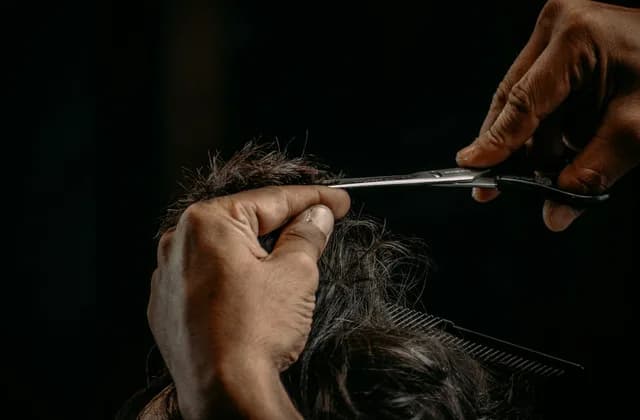
A mobile hairdresser comes to your home, so nobody has to travel to a salon. That matters when your mother can no longer manage the stairs, when a relative is bedbound, when you have a newborn or small children, or when a bride wants to stay put on her wedding morning. It also means a stranger is working in a private space, sometimes with a person who cannot easily speak up.
This guide covers the US and the UK, where you may also see the service described as a hair stylist at home. It explains which jobs work at home, how to choose the right person, what hygiene to expect, how to prepare the room, what to do when you book for someone else, and what sets the price.
Who a mobile hairdresser is for
The right choice depends on the person in the chair. An older client with limited mobility needs patience and a hairdresser who can work around a walker or a wheelchair. Someone who is bedbound needs a person who has done bedside work before and will not move them further than is safe. A new parent needs flexibility, because a feed can interrupt the appointment. A bride needs a firm arrival time, and a trial beforehand if she wants one.
So describe the person as well as the haircut. A message that says “short trim for my father, 86, uses a wheelchair, tires quickly” gets you a far more useful answer than “haircut at home”.
Which jobs work at home, and which are safer in a salon
Not every service belongs in a living room. Use this as a starting point, then ask the hairdresser about your particular home.
| Job | At home? | What to check |
|---|---|---|
| Cut or trim | Works well | Good light, a stable chair and a cover for the floor. |
| Wash and blow-dry | Works well if washing is possible | A sink or portable basin, and a socket near the chair. |
| Wedding or occasion styling | Works well | Arrival time, space for everyone, and a mirror in good light. |
| Bedside cut and wash | Possible with experience | A portable basin, and someone to help with positioning. |
| Colour | Possible with extra care | Allergy alert test, ventilation, floor protection and a proper rinse. |
| Chemical straightening | Safer in a salon | Ventilation, a suitable floor and proper washing facilities. |
The reasons are practical. A salon is set up for ventilation, floors that clean easily and basins that allow a full rinse. A bedroom may offer none of these. If the person cannot lean back over a sink, or cannot tell you that their scalp is stinging, a chemical service at home is a poor idea. Ask the hairdresser whether they would do this job in this room, and take a “no” seriously.
Before any dye: ask for the allergy alert test described in the dye manufacturer’s instructions, and follow those instructions exactly, including the timing. This applies at home just as it does in a salon. If the person has reacted to hair dye before, tell the hairdresser and ask a doctor for advice before going ahead.
How to choose a mobile hairdresser
Start with evidence. Ask for photos of recent work, and for references from past clients. If the appointment is for an older relative, ask for a reference from a family in the same position. Then ask direct questions: have you worked with someone who uses a wheelchair, or someone with memory problems? What do you do if they get tired halfway through? A good answer is specific. A vague “I’m great with everyone” tells you little.
In the US
Cosmetologists are licensed by state boards. The rules for working at a client’s home vary by state, and some states require extra permits. Ask for the licence and check it on your state board’s lookup. If you are unsure what applies to home visits where you live, ask the board. Ask about insurance as well.
In the UK
There is no compulsory national licence for hairdressers. A voluntary State Register run by the Hair Council exists, so ask whether the hairdresser is on it. Also ask for qualifications such as an NVQ, proof of insurance and references. Because the register is voluntary, weigh all of these together rather than relying on one.
Posting a job on Hirovo is free. Say who the appointment is for, what they need, any mobility limits, whether there is a sink to use, and your area. Hairdressers nearby can apply or message you, though few may be registered in your area. Hirovo does not verify identity, licences or experience. You choose, and any agreement and payment are between you and the hairdresser.
Post a free job →Hygiene: what to look for on the day
Scissors and combs should arrive clean, and you can ask how they are cleaned between clients. Razor blades should be single-use: a fresh blade for this person, thrown away afterwards. Towels should be clean, so agree in advance whether the hairdresser brings them or you provide them. Mention any cuts, sores or skin problems on the scalp before the work starts. If something looks dirty, you can say so or stop the appointment.
Getting the room ready
A little preparation makes the visit shorter and safer. Sort these out before the hairdresser arrives, or ask what they need when you book:
- Light: pick the brightest room, ideally with daylight, especially for colour.
- Socket: have one within reach of the chair for a dryer or clippers, and keep the cable out of walkways and away from water.
- Chair: a stable one with a back and no wheels. If the person stays in a wheelchair, check that the hairdresser can reach all around it.
- Washing: agree on the kitchen or bathroom sink, or a portable basin. Ask whether the hairdresser brings one.
- Floor and warmth: lay down an old sheet, keep the room warm and keep pets out.
Booking a mobile hairdresser for an elderly relative
Ask the person first. It is their hair and their home. If they can decide, let them choose the style and the day. If they cannot, talk to whoever helps with their decisions, and be ready to stop if they seem upset on the day. Their agreement matters more than the finished haircut.
Arrange for someone to be there, especially for the first visit. A familiar face reassures the person, helps with moving, and lets you see how the hairdresser works. Do not hand over a door code or a key to someone you have not checked.
Tell the hairdresser what they need to know about the home and the person: stairs, pets and trip hazards, hearing or memory problems, skin conditions, and the time of day when your relative is at their best. Keep the first appointment simple. A trim is a better test than a full restyle.
If your relative lives in a care home, ask about the home’s visitor rules before you book. Find out when an outside hairdresser can come, what the home needs from them, and which room they can use.
Mobile hairdresser prices: what sets the cost
A figure from a website cannot price your visit. These items move the number:
- Distance: how far the hairdresser has to travel to reach you.
- Type of job: a trim, a wash and set, colour or wedding styling all take different time and skill.
- Number of people: several family members or a bridal party in one visit.
- Timing: visits outside normal hours and at weekends.
- Materials: dye and other products, and who supplies them.
To compare fairly, send two or three hairdressers the same description and ask each for a written price. Check whether travel and materials are included, and what happens if the job runs longer because the person needs breaks.
Receipts, cancellation and payment
Ask for a receipt or invoice that shows the date, the work done and the amount. Agree the cancellation terms before the first visit, in a message you can find later. This matters when the person may feel unwell on the day, or when a baby’s routine changes the plan. For a wedding, also ask what happens if the hairdresser falls ill, and who steps in. Be cautious about paying in full in advance to someone you have not met.
In short
Choose a mobile hairdresser on evidence: photos, references and direct experience with people like your relative. Check the state licence in the US, or qualifications, insurance and the voluntary register in the UK. Keep cuts and styling at home, and think hard before doing colour there. Leave chemical straightening to a salon. Follow the dye manufacturer’s allergy test instructions, prepare the room, have someone present, get a written price and keep the receipt.