
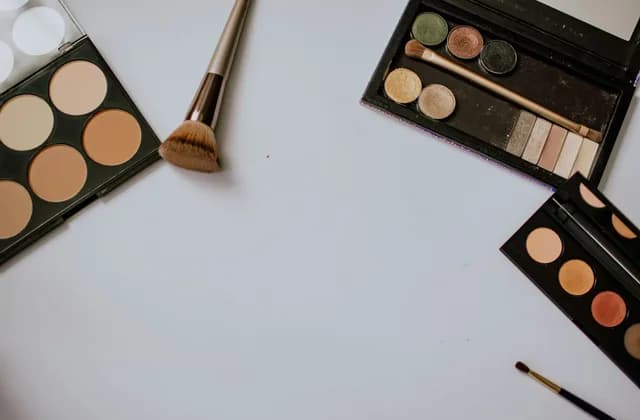
A bridal makeup artist works on your face on one of the most photographed days of your life, perhaps in your home or a hotel room, early in the morning, with family and bridesmaids waiting their turn. Choosing well means more than liking someone’s portfolio. You need to see the look on your own skin, know the brushes are clean, and have the terms for the deposit, the timing and a backup artist in writing.
This guide is written for the US, with a short note for the UK. It covers how to find and check a makeup artist for a wedding, what to expect from the bridal makeup trial, what hygiene to look for, what the contract should cover, how to plan the morning and what sets the cost. If you are a guest or the mother of the bride booking your own appointment, the same checks apply.
What a bridal makeup artist does on the day
The job starts well before the ceremony. The artist arrives at your home, a hotel or the venue, sets up a station, and works through the bride and anyone else on the list. Some stay on site for touch-ups before photos and the ceremony. Others leave once the last face is done. Some do hair and makeup together; others work alongside a separate hairdresser. Ask which arrangement they offer, because it changes the timing of the whole morning.
You can also go to the artist’s studio instead. A studio gives them their own light and setup, but it adds travel on a morning when you may not want to leave the house. On-location makeup saves you the trip, and the artist needs the right space to work. Neither is better in itself. Decide what suits your day, then say so when you ask for a quote.
How to choose a bridal makeup artist
Start with evidence. Ask for photos of recent bridal work, including close-ups taken in daylight, not only edited pictures from social media. Look for work on skin similar to yours in tone, texture and age, because a look that suits one face can sit badly on another. Ask for references from recent brides, and ask those brides whether the artist arrived on time and whether the makeup lasted.
Then ask direct questions. How do you plan the morning when there are several people? What do you do if the bride’s skin reacts? Who covers the wedding if you are ill? A good artist answers specifically. Vague reassurance tells you little.
Licensing in the US
Rules vary by state. Some states require a cosmetology or esthetics license to apply makeup for pay, while others exempt certain settings. Ask the artist which license they hold, if any, and check your state board’s rules and license lookup. If you are unsure whether the rules cover makeup at a wedding venue or a private home where you live, ask the board directly. Ask about insurance as well.
A note for the UK
There is no specific licence for makeup artists. Ask whether the artist holds public liability insurance, and ask them to walk you through their hygiene routine. Photos, references and a trial carry more weight when there is no licence to check.
The bridal makeup trial: what to expect
A trial is a rehearsal. You and the artist agree on the look, test the products on your skin and see how the result photographs and lasts. Ask before booking whether the trial is included in the wedding price or charged separately, and whether it happens at the studio or at your home.
Come with a clean face and a clear brief. Bring photos of looks you like and looks you do not, and wear a top close to your dress in colour or neckline. If you can, style your hair roughly as planned. Tell the artist about your skin, any products you already know you react to, and how long the day will run.
After the trial, take photos in daylight and indoors, and keep the makeup on for the rest of the day. Notice where it fades, whether it feels heavy, and how your skin feels that evening. If something is wrong, say so and ask what the artist would change. If you are not comfortable after the trial, that is the moment to look elsewhere, before you pay the full deposit.
Allergies and sensitive skin: if you have a known allergy or sensitive skin, say so before the trial and ask for the ingredient list of the products. Do not try a new product for the first time on the wedding day; ask for the same products at the trial and on the day. If you get redness, itching or burning, have the product removed straight away and see a doctor if it does not settle.
Hygiene: what to look for
You are entitled to see how the kit is kept. These are the points to check at the trial and again on the day:
- Clean brushes: ask how they are cleaned between clients, and look at them before they touch your face.
- Disposable applicators: sponges and similar tools should be fresh for you, or cleaned in front of you.
- Product on a palette: foundation, concealer and cream products should be taken out with a spatula onto a palette, not applied straight from the pot.
- Mascara and lip: applied with disposable wands, a new one for each use, never dipped back into the tube.
Mention any cuts, spots or skin problems before work starts. If something looks dirty, you can ask for it to be cleaned or replaced, or stop.
Posting a request on Hirovo is free. Describe the day: who needs makeup, whether you also need hair, whether the artist comes to you or you go to them, the start time and any skin concerns. Few makeup artists may be registered in your area, so replies may take time or may not come at all. Ask for their license, insurance and references directly; you choose, and any agreement and payment are between you and the artist.
Post a request →Planning the morning: bride, bridal party and guests
Give the artist a full list before they quote: the bride, the mother of the bride, bridesmaids, flower girls, guests who want makeup. Then build the timeline together, working back from the time the photographer starts. The bride should not be finished so early that the makeup has to survive a long wait, nor so late that she is rushed.
If hair and makeup are done by different people, coordinate them. Ask both who works first on each person and how they will share the space. Lighting, travel and the photographer’s schedule all depend on the same plan, and the guide to choosing a wedding photographer covers how to agree that timeline and the getting-ready shots. For hair at home, see the guide to choosing a mobile hairdresser.
Prepare the room the way you would for any visit: the brightest space you have, a table for the kit, a chair at a comfortable height, a socket within reach and nothing nearby that could spill.
| Stage | What to settle | Question to ask |
|---|---|---|
| Booking | The date, the list of people, hair and makeup together or separate, studio or on location. | Is the deposit refundable, and what happens if the date changes? |
| Trial | The look, the products, how it photographs and lasts on your skin. | Will you use the same products on the day? |
| Wedding morning | Arrival time, the order of people, space and light, coordination with hair and the photographer. | Who replaces you if you are ill? |
| During the day | Touch-ups, either from the artist on site or from a kit you carry. | Do you stay for touch-ups, or leave me a kit and a product list? |
| Afterwards | The final invoice, any balance due, extra people added on the day. | Does the invoice match the written quote? |
Bridal makeup artist cost: what sets the price
A number from a website cannot price your wedding. These items move it, so ask about each one and get them listed separately:
- Who is included: the bride, the bridal party, the mother of the bride and guests, priced per person or as a package.
- The trial: whether it is included or charged on its own.
- Travel: a travel fee for coming to your home, hotel or venue.
- Early start: a charge for beginning before the artist’s normal hours.
- Staying on site: time spent waiting for touch-ups before photos and the ceremony.
- Extras: false lashes and similar items, which can appear as separate line items.
- Hair: hair and makeup from one person or team, or makeup alone.
To compare fairly, send each artist the same description of the day and ask for a written quote. Then compare line by line: what is included, what costs extra and what happens if the group grows.
The contract: what to get in writing
A clear contract protects both sides. Before you pay a deposit or retainer, make sure it covers:
- The date hold: the deposit or retainer amount, and whether it is refundable, written in the contract.
- Cancellation and date changes: what you owe if you cancel or move the wedding.
- Backup: who steps in if the artist falls ill or cannot come.
- The timeline: arrival time, the order of people and when the artist leaves.
- A growing party: what happens and what it costs if more people want makeup.
- Payment: when the balance is due and how, with a receipt or invoice.
Keep the contract, the quote and your messages in one place you can find on the morning. Be cautious about paying in full in advance to someone you have not met.
In short
Choose a bridal makeup artist on evidence: daylight photos, references from recent brides and a trial on your own skin. In the US, ask which license they hold and check your state board’s rules; in the UK, ask about public liability insurance and their hygiene routine. Watch for clean brushes, product on a palette and disposable wands. Mention any allergy before the trial and keep the same products for the day. Get the deposit, cancellation, backup artist and timeline in writing, and compare quotes line by line.