
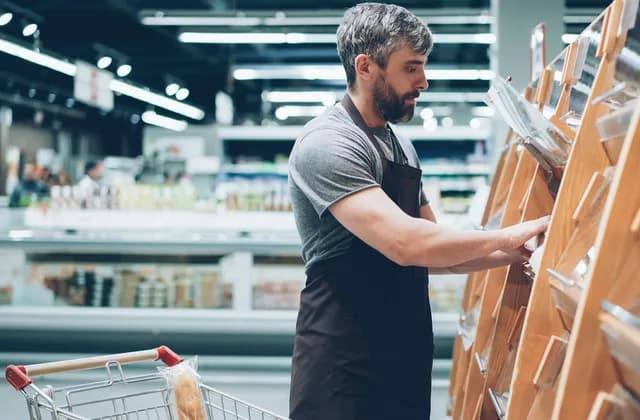
Baker jobs in South Africa are more varied than the word suggests. “Bakers wanted, night shift, Midrand” is almost always a plant bakery, where bread comes off a production line in the thousands and has to be on delivery trucks before sunrise. “In-store bakery assistant, Bellville” is a supermarket bakery baking rolls, loaves and doughnuts for shoppers from early morning. “Confectioner for a patisserie in Umhlanga” wants someone who can make a clean mousse cake and pipe a message on it. “Cake decorator, part time, Pretoria East” may be a home business busy every weekend with birthdays and weddings.
All of them are bakery work, and each asks for different skills, different hours and a different way up. This guide explains the main kinds of baking jobs in South Africa, whether you need a qualification, the food safety rules every bakery works under, what the law says about night shifts and early starts, and how to get hired, including how to use a free Hirovo profile.
Types of baker jobs in South Africa
Bakery titles are used loosely, so read the duties in the advert. In broad terms, the jobs fall into these groups:
| Role | What you actually do | Where you find it |
|---|---|---|
| Bakery assistant / general worker | Weighing ingredients, greasing tins, packing, slicing and bagging bread, cleaning equipment and floors | Plant bakeries, in-store bakeries, small bakeries; often the entry point |
| Bread baker | Mixing, dividing, moulding, proving and baking yeast doughs to a production plan | Plant bakeries, township and neighbourhood bakeries, supermarkets |
| In-store baker | Baking fresh and part-baked products through the day, filling shelves, date rotation, some customer service | Supermarkets and larger shops in almost every town |
| Confectioner / pastry baker | Cakes, biscuits, pastries, creams, fillings and finishing | Patisseries, cafés, hotels, lodges and larger in-store bakeries |
| Cake decorator | Icing, piping, fondant work, celebration and wedding cakes to order | Cake shops, in-store bakeries and home-based businesses |
| Shift leader / production supervisor | Running a shift, the production plan, staff, hygiene checks and records | Plant bakeries and multi-outlet bakery businesses |
Two related jobs employ many people from the same skill set. Pie and savoury production kitchens make pastry and fillings in volume for shops and forecourts. Hotel and lodge pastry sections bake breads, breakfast pastries and desserts for guests, sometimes in remote places where staff live on site.
What bakery work actually involves
Whatever the setting, bread follows the same sequence, and employers want to know which steps you can do on your own:
- Scaling. Weighing flour, water, yeast, salt, sugar and improvers accurately against a recipe or production sheet. Mistakes here ruin the whole batch.
- Mixing. Running the mixer to the right time and dough temperature, and knowing when a dough is developed.
- Dividing and moulding. By hand or by machine, into loaves, rolls, buns or pie casings of the right weight.
- Proving. Managing the prover’s temperature and humidity, and judging when the dough is ready.
- Baking. Loading ovens, setting times and temperatures, checking colour and bake, and unloading safely.
- Cooling, slicing and packing. Bread sliced warm crumbles and sweats in the bag, so timing matters as much as speed.
- Cleaning and records. Scraping, washing and sanitising equipment, recording batches, temperatures and waste.
South African bakeries also have their own products that a good baker knows: white and brown loaves, rolls for the braai, vetkoek, rusks, scones, koeksisters, milk tarts, pies, hot cross buns at Easter and fruit cakes for December. Being able to say “I can run the vetkoek fryer and the pie line” is more useful to a local bakery than a list of French pastries.
How to become a baker in South Africa: training and qualifications
There is no licence to bake, and a bakery can hire anyone it trusts. In practice, formal training matters more the higher and the more specialised the job. The main routes are:
- Learnerships. You work in a bakery and study at the same time, with a stipend or allowance instead of a normal wage. For baking, the SETA is usually FoodBev SETA for food manufacturing and plant bakeries, W&RSETA for in-store bakeries in retail, or CATHSSETA for hotels and hospitality; ask the employer or provider which SETA registered the programme. Our guide to learnerships in South Africa explains how they work and how to spot fake ones.
- QCTO occupational qualifications. The Quality Council for Trades and Occupations oversees occupational certificates delivered by accredited training providers and assessed at the end. Ask any provider to show its accreditation before you pay.
- Baking and pastry courses. TVET colleges, culinary schools and private providers offer courses that include bread and pastry. Compare the practical hours and any work placement before signing, because the practical part is what employers value.
- On-the-job training. Many plant and in-store bakers learnt by starting as assistants. Keep a record of what you learnt and who taught you; it becomes your reference.
Matric is not a legal requirement for bakery work, and many assistant jobs do not ask for it. Plant bakeries sometimes list Grade 12, often with maths, for machine operator, quality control or supervisory roles, because those jobs involve calculations, records and reports.
Food safety in bakeries: R638, allergens and hygiene
Every bakery, from a plant to a home kitchen that sells cakes, works under the Regulations Governing General Hygiene Requirements for Food Premises (R638 of 2018), made under the Foodstuffs, Cosmetics and Disinfectants Act. Two parts affect you directly. The premises must hold a Certificate of Acceptability from the municipality, issued after an inspection by environmental health practitioners. And the person in charge must make sure food handlers are trained in food hygiene, which is why so many bakery adverts ask for a food safety certificate.
Bakeries also carry a particular responsibility for allergens. Wheat and gluten are in almost everything, but many products also contain egg, milk, soya, sesame or nuts, and a customer with a severe allergy relies on the bakery getting it right. Prepacked food must be labelled under the labelling regulations made under the same Act; if you ever sell packaged bakes of your own, read them or ask an environmental health practitioner what your label needs.
Habits a bakery manager watches for
- Hands washed before starting, after the bathroom, after the bins and after handling raw egg.
- Hair covered, no jewellery on hands and wrists, clean uniform, and staying home with a stomach bug.
- Nut and seed products kept apart, with separate scoops and clean surfaces between batches.
- Fillings with cream, custard or meat kept cold, and never left on the bench.
- Every tub, bag and tray labelled and dated, and first in, first out.
- No glass on the production floor, and broken plastic or metal reported at once.
Create a free Hirovo profile, add baking to your trades and set the area you can travel to. When a bakery, café or household near you posts a job, you can message them directly in the app.
Create a free profile →Night shifts, early starts and your rights under the BCEA
Bread has to be fresh when shops open, so baking comes with night shifts, 03:00 starts, weekends and busy public holidays. The Basic Conditions of Employment Act 75 of 1997 (BCEA) sets the floor. Most of the rules on hours apply to employees who earn below the BCEA earnings threshold, which is updated from time to time; most bakery workers are below it.
| Situation | What the BCEA says (below the earnings threshold) |
|---|---|
| Night work (after 18:00, before 06:00) | Only by agreement, with an allowance or shorter hours, and transport must be available between home and work at the start and end of the shift. |
| Regular night work (after 23:00, before 06:00, at least five times a month or 50 times a year) | The employer must tell you in writing about the health and safety risks and your right to a medical examination, arrange the examination at its cost if you ask, and move you to suitable day work if a health condition linked to night work requires it and it is practical. |
| Ordinary hours | Up to 45 hours a week: 9 hours a day if you work five days, 8 hours a day if you work more than five days. |
| Overtime | Only by agreement, paid at least one and a half times your rate, and no more than 3 hours a day or 10 hours a week. |
| Rest between shifts | At least 12 consecutive hours between ending one day’s work and starting the next, and 36 consecutive hours each week. |
| Sunday work | Double pay if you do not ordinarily work Sundays; at least one and a half times if you do. |
| Public holidays | Work only by agreement, paid at least double. |
The rest-period rule matters in bakeries more than most places. A baker who closes at 22:00 and is asked to open at 04:00 the next morning has not had 12 hours off. If that is how the roster works, ask about it before you accept.
Pay. Your wage must be at least the national minimum wage under the National Minimum Wage Act 9 of 2018. The amount is reviewed every year and usually changes from 1 March, so check the current figure with the Department of Employment and Labour. Above that floor, pay depends on the role, the type of bakery, the city and your shifts, and in some parts of the food industry a bargaining council or collective agreement sets minimum wages, so ask whether one applies. Your employer must also register you for UIF, deduct 1% of your pay and add another 1%, and give you a payslip that shows it.
Safety in the bakery: ovens, mixers and flour dust
Bakeries look calm from the shop side, but the production floor has real hazards. The Occupational Health and Safety Act requires your employer to keep the workplace safe, train you on machines and provide the protective equipment the work needs without charging you for it.
- Ovens and trays. Burns are the most common injury. Use proper oven gloves, never a wet cloth, and call out “hot tray” when you move behind someone.
- Mixers, dividers, moulders and slicers. These machines can take a finger or a hand. Guards must stay on, you should be trained before you use one, and you never reach into a machine that is running or has not been isolated for cleaning.
- Flour dust. Breathing flour dust day after day can cause asthma and skin problems. Ask about extraction, dust masks and cleaning methods; sweeping dry flour with a hard broom or blowing it with compressed air throws it into the air you breathe.
- Lifting. Flour bags, full trays and racks are heavy. Ask for help, use trolleys and do not twist while carrying.
- Slips. Grease, water and dropped dough make floors slippery; non-slip shoes are worth it even if the bakery does not supply them.
If you are injured at work, report it straight away and make sure it is recorded. Employees are covered by COIDA, and the employer must report the injury so that medical costs and time off can be claimed from the Compensation Fund.
Where the bakery jobs are in South Africa
- Plant bakeries sit near the big metros: Gauteng, Cape Town, Durban, Gqeberha, Bloemfontein and Polokwane. They employ the most people, mainly on shifts.
- In-store bakeries are in supermarkets in almost every town, which makes them the easiest place to find baking work close to home.
- Neighbourhood and township bakeries sell bread, vetkoek and cakes to their area and hire locally, often by word of mouth.
- Patisseries, cafés and hotels in the suburbs, tourist towns and the Winelands want confectioners and pastry bakers, busier in summer and over December.
- Home-based cake businesses sometimes hire help for weekends, weddings and the festive season.
Demand peaks before Easter, through December and around month-end. Power supply also shapes the job. Where load shedding returns, bakeries with electric ovens plan production around outages or run generators, and shifts can move at short notice. Ask what happens to your hours and pay if the bakery stops production during a power cut.
Baking from home: selling cakes, rusks and bread on your own
Many South African bakers earn part of their income from home orders. It can grow into a proper business, but start it properly:
- Speak to the municipality first. A kitchen used to prepare food for sale is a food premises under R638. Ask the environmental health office what they need to issue a Certificate of Acceptability, and whether zoning or a business licence also applies where you live.
- Write down ingredients and allergens for every product, and tell customers what each cake contains.
- Agree orders in writing: the date, the design, the price, the deposit and what happens if the customer cancels.
- Keep your records and register with SARS once your income requires it.
- Take good photos of your work in daylight. For cakes, a picture is the portfolio.
How to get hired as a baker
A bakery manager wants to know three things quickly: what you can make, at what volume, and whether you will turn up for a 03:00 start. Put those near the top of your CV:
- Products you can make on your own, such as loaves, rolls, pies, vetkoek, scones, cakes or decorated celebration cakes.
- Volume and equipment, such as “ran the divider and moulder on a bread line” or “baked for an in-store bakery serving a busy weekend trade”. Machines you can run are a strong selling point.
- Food safety training and any qualification, with dates.
- Shifts you can work and how you get to work, especially for nights.
- Two references: bakery managers or head bakers you worked under, with phone numbers.
The practical test. Many bakeries ask you to bake or decorate something. Treat it as the real interview: arrive early, weigh accurately, keep your bench clean as you go, and ask before using equipment you do not know. A few hours is normal; unpaid full shifts for days are not. For confectioners and decorators, bring photos of your work on your phone.
Questions to ask them. Which shifts and days, how night work is paid, how rest between shifts works on the roster, whether you get a written contract, payslip and UIF, and whether safety shoes and gloves are supplied.
Finding baker jobs on Hirovo
Hirovo is a free jobs and local services marketplace. It is new in South Africa, so there are not many local bakery posts yet, and we would rather say so than pretend otherwise. What you can do now:
- Create a free profile, add baking as your trade, and add cake decorating if you do it.
- Set your area, such as Soweto, Tshwane, Pinetown or Mitchells Plain, so local posts reach you.
- Describe your products, machines and shifts in plain words, the same way you would on a CV.
- When a bakery, café or household near you posts a job, message them directly in the app.
Hirovo does not vet employers or check anyone’s qualifications, and it never charges you to apply. Visit the bakery, ask for the contract, and walk away from anyone who asks you for money for a job, a uniform or training.
Before you accept a bakery job, check:
- A written contract with your title, basic pay, shifts and days off.
- How night work is compensated, and how you get home or to work in the dark.
- At least 12 hours between shifts on the roster you are shown.
- A payslip, UIF registration and how overtime and Sundays are paid.
- Protective gear supplied free, and training before you use a machine.
- That nobody is asking you for money for the job or the training.
In short
Bakery work in South Africa runs from general worker on a plant floor to confectioner, decorator and production supervisor, and you can start at the bottom with no certificate. Learnerships, QCTO qualifications and baking courses matter more for pastry and supervisory roles, and food hygiene training helps almost everywhere because R638 requires it.
Know the floor the BCEA gives you on night work, rest between shifts, Sundays and public holidays, check that your pay meets the current national minimum wage, and make sure you are registered for UIF. Then sell yourself with products, machines and references, treat the practical test as the interview, and make a free Hirovo profile so bakeries near you can find you as the platform grows in South Africa.