
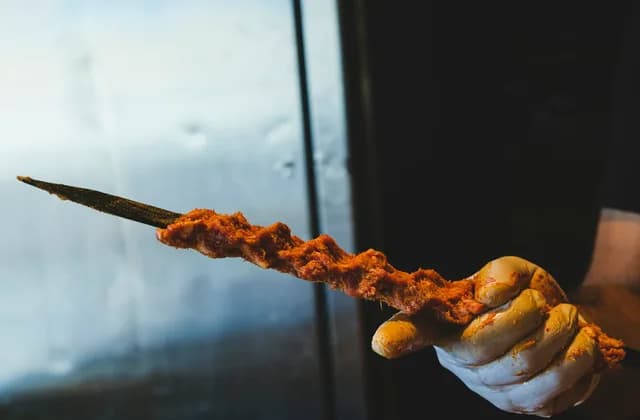
Butcher jobs in South Africa cover a wider range of work than the counter you see in a shop. “Butcher, in-store butchery, Soshanguve” wants someone who can cut, mince, make boerewors and serve customers on a busy month-end Saturday. “Deboners, meat processing plant, Germiston” wants speed and clean knife work on a line, in the cold. “Abattoir workers, Free State” is slaughter, dressing and chilling under meat inspection. “Butchery manager, Pietermaritzburg” wants someone who can order, price, run staff and pass an environmental health inspection.
This guide is for butchers and butchery workers looking for work in South Africa: the main roles, how beef is classified, whether you need a qualification, the hygiene rules every butchery works under, how to stay safe with knives, bandsaws and cold rooms, what the law says about your hours and pay, and how to get hired.
Types of butcher jobs in South Africa
| Role | What you actually do | Where you find it |
|---|---|---|
| Butchery assistant / general worker | Cleaning, packing, weighing and labelling, mincing, making up braai packs, stocking the display | Supermarkets, independent butcheries; the usual entry point |
| Counter hand / service butcher | Serving customers, cutting to order, advising on cuts, keeping the display neat | In-store and independent butcheries |
| Butcher / meat cutter | Breaking down carcasses and primals into retail cuts on the block and the bandsaw | Every kind of butchery and many restaurants and hotels |
| Deboner | Boning out quarters and primals quickly and cleanly with minimal waste | Meat processing plants, wholesalers, larger butcheries |
| Sausage and processed-meat maker | Boerewors, other sausages, patties, marinated and value-added products, following recipes and rules | Butcheries, processing plants, deli counters |
| Abattoir worker | Slaughter, dressing, evisceration, chilling and dispatch under meat inspection | Registered abattoirs, mostly in farming areas |
| Butchery manager | Ordering, pricing, stock and yield, staff, hygiene records and inspections | Supermarkets and multi-branch butchery businesses |
What a butcher’s day actually looks like
The work starts before the doors open. Carcasses, quarters or boxed primals arrive and must be checked: temperature, classification marks, the abattoir details on the documents and the condition of the meat. Then the day follows the trade:
- Breaking down. Beef forequarters and hindquarters into primals, then into the cuts South African customers ask for: rump, sirloin, T-bone, fillet, chuck, brisket, short rib, shin and stewing beef. Lamb into chops, leg, shoulder and neck. Pork into chops, belly, ribs and shoulder.
- Mince and sausage. Trimmings into mince and boerewors, weighed and seasoned to the house recipe and within the rules for what may be sold under each name.
- Value-added lines. Sosaties, marinated chicken, braai packs, patties and, in many butcheries, biltong and droëwors.
- The display and the counter. Neat trays, correct labels and prices, first in first out, and cutting to order for customers.
- Cleaning. Bandsaw, mincer, sausage filler, blocks, knives, trays, cold room and floors, often twice a day, with records.
Yield, the saleable meat you get from each carcass, is what a butchery manager cares about most. A butcher who wastes less is worth more than one who is only fast.
Meat classification in South Africa: what the roller marks mean
Beef and sheep carcasses are classified at the abattoir by trained classifiers under the Agricultural Product Standards Act 119 of 1990. The mark is rolled onto the carcass in ink, and a butcher reads it before cutting. In broad terms, the letter and colour show the age group, judged by the number of permanent incisor teeth, and a number shows the fat class.
| Age class | Roller mark colour | Permanent incisors | What it usually means at the block |
|---|---|---|---|
| A | Purple | None | Youngest animals; the most tender cuts and usually the highest price |
| AB | Green | One to two | Young; still tender, often used by butcheries as a value option |
| B | Brown | Three to six | Older; more flavour, better suited to slow cooking and mince |
| C | Red | More than six | Oldest; mostly for mince, sausage and processing |
The fat class runs from 0, with no visible fat, to 6, which is very fat, and tells you how much trimming a carcass will need. Knowing the system helps you explain to a customer why one rump costs more than another.
How to become a butcher in South Africa: training and qualifications
There is no licence to cut meat in a shop, and most butchers learnt on the job. Formal training still helps, especially if you want to move into processing, supervision or management:
- Learnerships. You work and study at the same time, with an allowance rather than a normal wage. The SETA depends on the employer: often AgriSETA for abattoirs and the red meat industry, W&RSETA for retail butcheries in supermarkets, or FoodBev SETA for food processing. Ask which SETA registered the programme. Our guide to learnerships in South Africa explains how to check one is real.
- QCTO occupational qualifications. Accredited providers deliver occupational certificates in meat processing and related work, assessed at the end. Ask any provider for proof of accreditation before you pay.
- Abattoir training. Slaughter and dressing have their own training and hygiene requirements under the Meat Safety Act 40 of 2000 and its regulations. Abattoirs normally train their own staff; ask what training they provide and whether you get a certificate.
- Halaal and kosher work. Butcheries and abattoirs certified halaal or kosher follow the certifying body’s requirements, which can include who may slaughter and how equipment is kept apart. Ask what the certification means for your job.
Matric is not a legal requirement for butchery work. Supermarket groups and processing plants sometimes ask for Grade 12 for supervisory or quality roles, because those involve stock counts, yields and written records.
Hygiene in the butchery: R638, the cold chain and processed meat
A butchery is a food premises under the Regulations Governing General Hygiene Requirements for Food Premises (R638 of 2018). It must hold a Certificate of Acceptability from the municipality, issued after an environmental health inspection, and the person in charge must make sure food handlers are trained in hygiene. Raw meat carries bacteria, so hygiene is not a side job: it is the job.
South Africa learnt this the hard way. The listeriosis outbreak of 2017 and 2018, linked to ready-to-eat processed meat, was one of the largest ever recorded. Expect employers to be strict about cleaning schedules, temperature records and separating raw from ready-to-eat products.
Habits a butchery manager watches for
- Meat kept cold from delivery to the display, with the cold room door kept shut and temperatures recorded.
- Raw meat kept away from cooked and ready-to-eat products, with separate equipment and surfaces.
- Mincer, sausage filler and bandsaw taken apart and cleaned properly, not just rinsed.
- Hands washed often, cuts covered with a coloured waterproof plaster, and no jewellery.
- Mince and sausage labelled and dated, and products made only to the house recipe.
- Anything that smells off, looks wrong or has lost its label is reported, not sold.
What may be sold as boerewors, mince or other processed meat is set out in regulations under the Agricultural Product Standards Act. Follow the house recipe exactly; “stretching” a recipe is a legal problem, not a saving.
Create a free Hirovo profile, add butchery to your trades and set the area you can travel to. When a butchery, farm stall or restaurant near you posts a job, you can message them directly in the app.
Create a free profile →Knives, bandsaws and cold rooms: staying safe
Butchery has some of the most serious hand injuries of any food job. The Occupational Health and Safety Act requires your employer to provide a safe workplace, train you on machines and supply the protective equipment the work needs, free of charge.
- Knives. A sharp knife is safer than a blunt one, because it does not slip. Cut away from your body, never try to catch a falling knife, and do not leave knives in a sink of soapy water where someone can reach in.
- Mesh gloves and aprons. For deboning and heavy knife work, a stainless steel mesh glove on the non-knife hand and a protective apron are standard. Ask for them.
- Bandsaw. Keep the guard as low as the cut allows, use a push plate for small pieces, and never clear the table while the blade is running.
- Mincer. Feed meat with the pusher, never with your fingers, and switch off and unplug the machine before you clear a blockage or clean it.
- Lifting carcasses. Quarters and sides are heavy. Use rails, hooks and help, and do not twist while carrying.
- Cold rooms and freezers. Check that the door can be opened from the inside and that the alarm works, wear the thermal clothing provided, and take breaks to warm up.
If you are injured, report it at once and make sure it is recorded. Employees are covered by COIDA, and your employer must report the injury so that medical costs and time off can be claimed from the Compensation Fund.
Hours, month-end, public holidays and pay
Butcheries follow the braai calendar. They are busiest at month-end when people are paid, before long weekends, around Heritage Day in September and through December. That means Saturdays, Sundays and public holidays come with the job.
The Basic Conditions of Employment Act 75 of 1997 sets the floor for employees who earn below its earnings threshold: ordinary hours of up to 45 a week, overtime only by agreement at one and a half times your rate, at least one and a half times your rate for Sunday work if you ordinarily work Sundays and double if you do not, and work on public holidays only by agreement at double pay. Our guide to employee rights in South Africa covers leave, notice and payslips in more detail.
Pay. Your wage must be at least the national minimum wage under the National Minimum Wage Act 9 of 2018. The amount is reviewed every year and usually changes from 1 March, so check the current figure with the Department of Employment and Labour. Above that, pay depends on your skill, the type of employer and the city. In some parts of the meat trade a bargaining council agreement may set minimum wages and conditions, so ask whether one applies. Your employer must register you for UIF, and your payslip should show the deduction.
Shortages and stock losses. Some butcheries try to deduct stock losses or till shortages from staff. Under the BCEA, a deduction for loss or damage is only allowed if it happened in the course of your work and was your fault, a fair procedure was followed, you agreed in writing, and it is no more than a quarter of your net pay. A blanket rule that everyone pays for missing stock does not meet those conditions.
Where the butchery jobs are in South Africa
- Supermarket in-store butcheries in almost every town employ the most butchers and assistants, and they are the easiest place to start close to home.
- Independent butcheries in suburbs, townships and country towns often hire by word of mouth and value all-round butchers who can also serve customers.
- Meat processing plants and wholesalers around Gauteng, Cape Town, Durban and Gqeberha hire deboners, packers and sausage makers, usually on shifts.
- Abattoirs are mostly in farming areas: the Free State, North West, Eastern Cape, Northern Cape, Mpumalanga and the KwaZulu-Natal Midlands.
- Game processing is seasonal, busiest in the hunting season in the cooler months in areas such as Limpopo, the Free State and the Northern Cape.
Working for yourself: biltong, boerewors and a small butchery
Many butchers earn extra from biltong, droëwors and boerewors orders. Do it properly from the start:
- Buy meat from a registered abattoir or supplier. The Meat Safety Act allows slaughter only at registered abattoirs, apart from narrow exceptions such as your own household’s use and cultural or religious slaughter. Home-slaughtered meat may not be sold.
- Speak to the municipality. Ask the environmental health office what they need for a Certificate of Acceptability for the premises where you cut, dry or pack meat, and whether zoning or a business licence also applies.
- Write down ingredients for every product, including spices and anything customers may be allergic to.
- Agree orders in writing, with weights, prices, deposits and delivery dates, and register with SARS once your income requires it.
How to get hired as a butcher
A butchery manager wants to know what you can cut and how clean your work is. Our guide on writing a CV in South Africa covers the layout; for butchery, put these near the top:
- What you can break down on your own: beef quarters, lamb carcasses, pork sides, chicken, game.
- Machines: bandsaw, mincer, sausage filler, vacuum packer, slicer, scale and label printer.
- Products: boerewors, sosaties, biltong, droëwors, marinated lines.
- The type of butchery: supermarket, independent, processing plant, abattoir, halaal.
- Food hygiene training and any qualification, with dates, and two references with phone numbers.
The practical test. Expect to be asked to break down a lamb, cut chops or bone out a primal while someone watches. They are watching yield, safety and cleanliness as much as speed. Bring your own knives if you have them, keep your station clean as you go, and ask where things go rather than guessing. For the interview itself, our job interview tips for South Africa will help.
Questions to ask them. Your hours, how Sundays and public holidays are paid, whether you get a contract, payslip and UIF, and whether protective gear and knives are supplied.
Finding butcher jobs on Hirovo
Hirovo is a free jobs and local services marketplace. It is new in South Africa, so there are not many local butchery posts yet, and we would rather say so than pretend otherwise. What you can do now:
- Create a free profile and add butchery as your trade.
- Set your area, such as Tembisa, Mamelodi, Umlazi or Khayelitsha, so local posts reach you.
- Describe the cuts, machines and products you know, the same way you would on a CV.
- When a butchery, farm stall, restaurant or household near you posts a job, message them directly in the app.
Hirovo does not vet employers or check anyone’s qualifications, and it never charges you to apply. Visit the butchery, ask for the contract and walk away from anyone who wants money for a job or training.
Before you accept a butchery job, check:
- A written contract with your title, basic pay, hours and days off.
- How Sundays, public holidays and overtime are paid, in writing.
- A payslip and UIF registration.
- A mesh glove, apron and thermal clothing supplied free where the work needs them.
- Training before you use the bandsaw or mincer.
- No blanket rule that staff pay for stock losses or shortages.
In short
Butchery work in South Africa runs from general worker to deboner, sausage maker, abattoir worker and butchery manager, and most butchers learn on the job. Learnerships and QCTO qualifications help if you want to move into processing or management, and hygiene training helps everyone, because R638 requires it and the listeriosis outbreak made employers strict.
Learn to read carcass classification, protect your hands with the right equipment and habits, know the floor the BCEA gives you on Sundays, public holidays and deductions, and check that your pay meets the current national minimum wage. Then sell yourself with the cuts, machines and products you know, treat the practical test as the interview, and make a free Hirovo profile so butcheries near you can find you as the platform grows in South Africa.